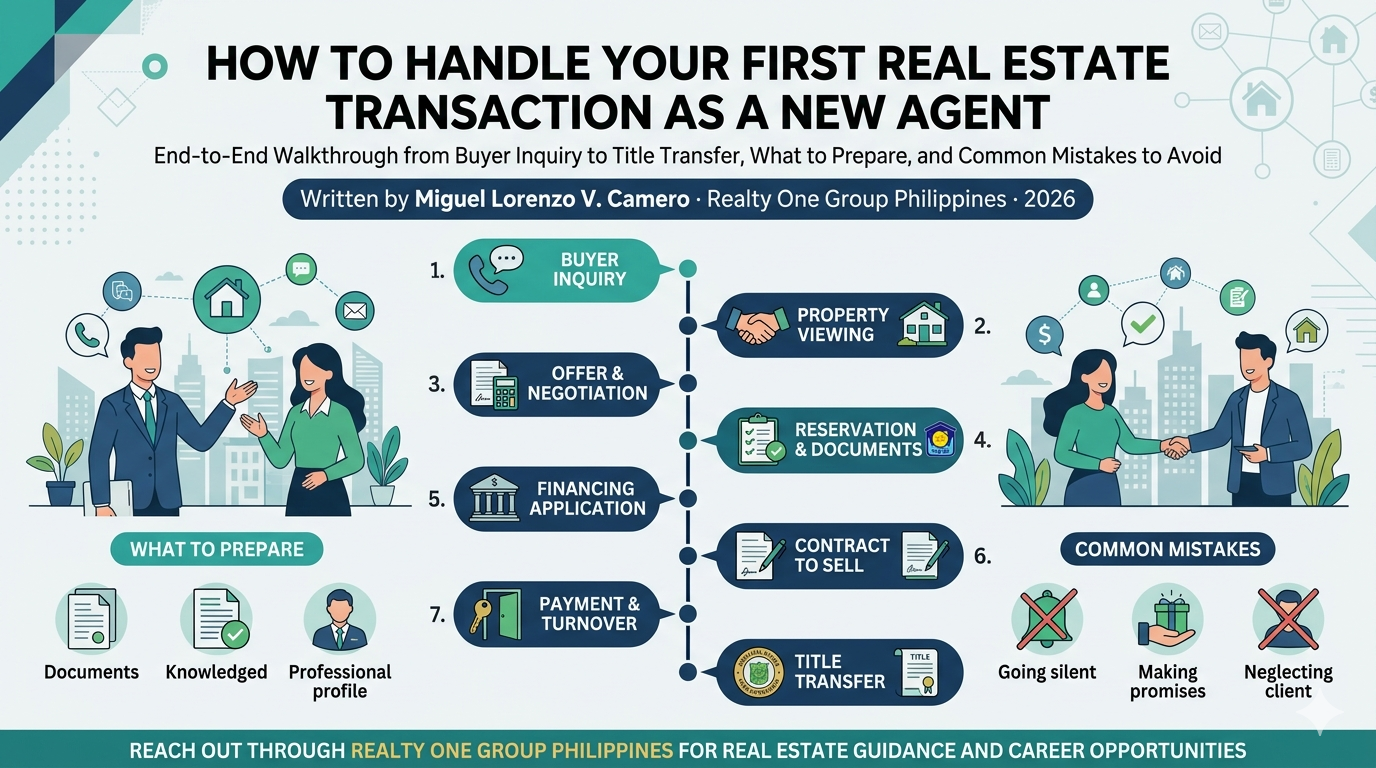
Complete House and Lot Buying Guide Philippines: Steps, Financing, and Agent Support. Buying a house and lot in the Philippines can be a complex process, but understanding the essential steps can simplify your journey. This guide will provide you with a comprehensive overview of the buying process, including financial preparation, property selection, and the role of licensed real estate brokers and agents.
Buyer Protections on Installment Property Payments. RA 6552 Explained: Refund Rights, Grace Periods, and Cancellation Rules — Directly Relevant to Every Financed Property Purchase
Opportunity Cost Analysis, When Leverage Makes Sense, and the Tax Implications of Each — A Framework for Filipino Property Buyers in 2026

Credit Score, Income Documentation, Debt-to-Income Ratio, and What Banks Actually Look For in 2026
Baguio's real estate market is thriving, attracting savvy buyers and investors alike. This dynamic market boasts a range of properties, from quaint cottages to modern architectural marvels. Each property offers a unique opportunity to escape into the city's natural beauty. Investing in Baguio real estate promises potential appreciation and rental opportunities. As tourism grows, the demand for vacation homes surges, enticing more investors. With properties appreciating in value, now is a strategic time to explore Baguio's offerings.
This guide explains what condo ownership entails in Davao City, how it differs from townhouses, and the trade-offs between low-maintenance amenities and outdoor space. It breaks down true monthly costs—mortgage, taxes, and HOA dues—why reserve funds matter, and how to evaluate a building’s financial health to avoid special assessments. It also maps the Davao market from pre-selling to ready-for-occupancy units, outlines financing considerations, and lists key questions for sellers. With these essentials, first-time buyers can match lifestyle and budget while protecting future resale value.
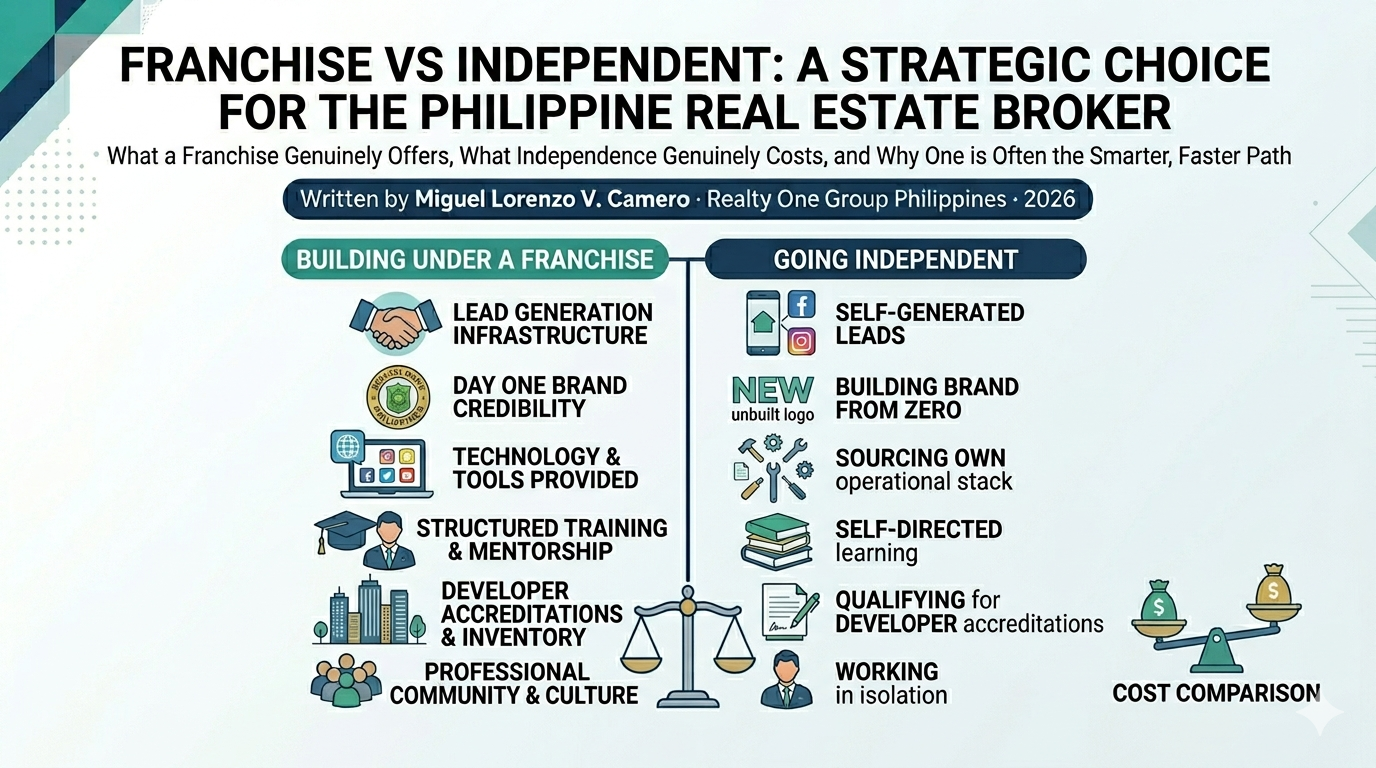
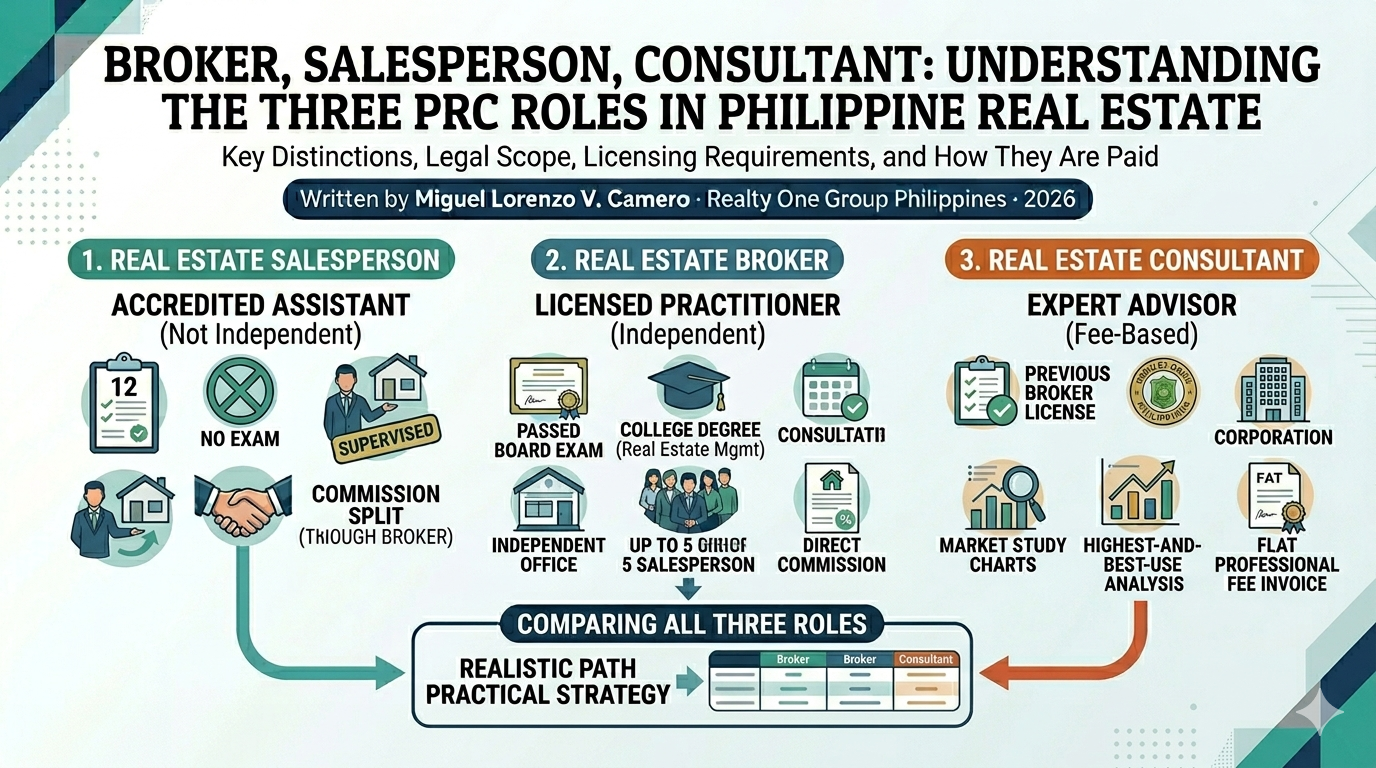
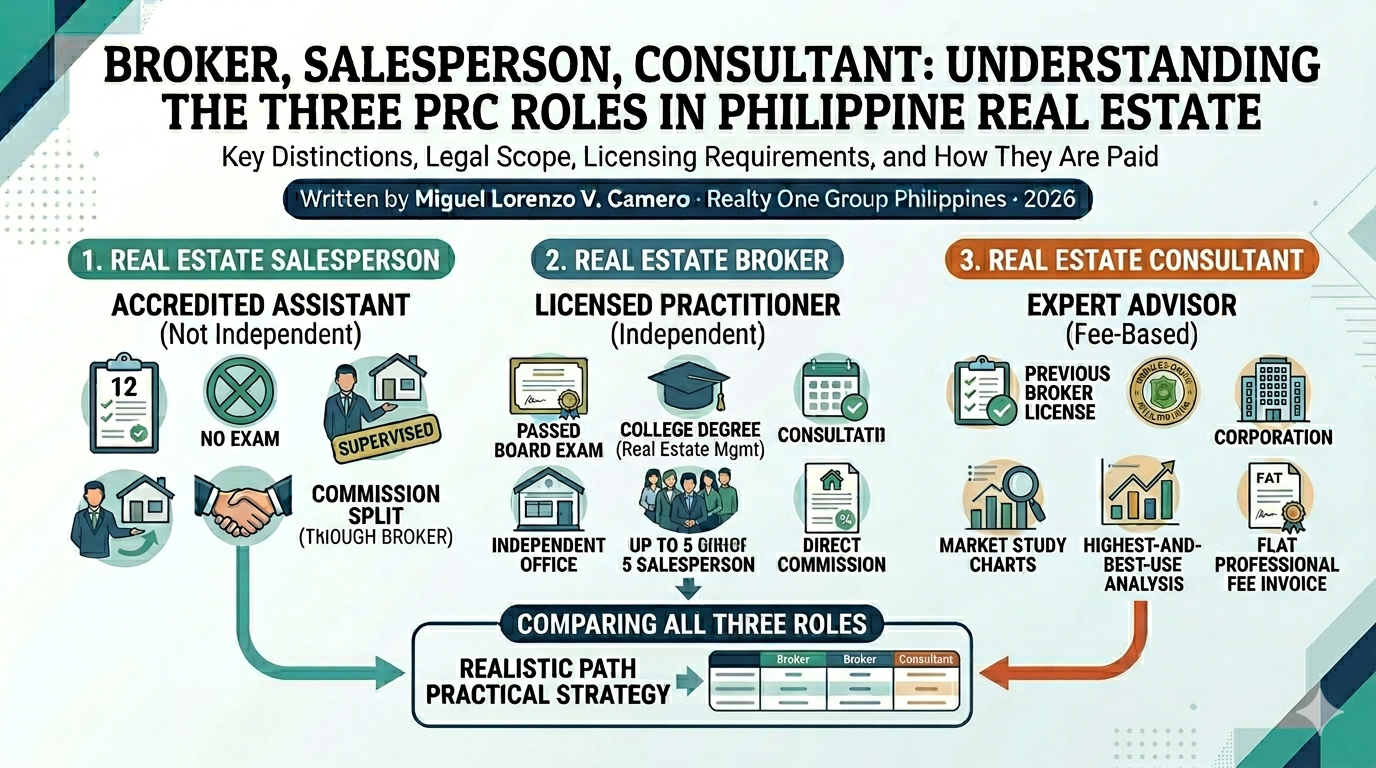
Becoming a licensed real estate broker in the Philippines requires a BS Real Estate Management degree, passing the PRC licensure exam, and registering with DHSUD. This guide covers every step — from education and exam preparation to licensing fees, career paths, and how to join a franchise brokerage like Realty ONE Group Philippines.
For many OFWs, buying or selling a home in the Philippines is one of the biggest financial decisions they’ll make—often while managing the process from thousands of miles away. This article breaks down the end-to-end steps for purchasing or selling property remotely, with special focus on the Special Power of Attorney (SPA), title verification, and working with a trusted representative. It also compares Pag-IBIG and bank financing, outlines key documents and taxes, and flags common scam tactics so you can protect your savings and complete the transaction with confidence.
This guide explains how to safely buy or inherit real property in the Philippines by relying on official land titles (TCT/CCT) rather than tax declarations. It shows how to verify a clean title via a Certified True Copy and a review of encumbrances, clarifies foreign ownership limits and lawful alternatives, and outlines the key steps and taxes for title transfers. It also covers inheritance-specific requirements, such as executing an Extrajudicial Settlement of Estate and paying estate tax within one year. A practical checklist and Q&A reinforce the essential checks to protect your investment.
Complete Step-by-Step 2026 Guide — Virtual Pag-IBIG, Required Documents, Timelines & Rejection Reasons
Choosing between a Pag-IBIG housing loan and a bank home loan is one of the biggest financial decisions Filipino homebuyers face. This guide compares interest rates, loan amounts, eligibility requirements, processing times, and total costs for 2026 — including the new Pag-IBIG 3% subsidized rate and current bank offerings from BDO, BPI, Metrobank, and more.
Baguio’s new P1.186 billion integrated terminal (BCIT), built by Megawide Construction under a public-private partnership, is expected to boost real estate values near Marcos Highway and surrounding areas by 15–30% once operational in 2027. The terminal will handle 25,000 commuters and 400 buses daily across seven routes connecting Baguio to Metro Manila and key Luzon.
Can foreigners buy property in the Philippines? Yes, foreigners can legally buy condominium units in the Philippines, provided that foreign ownership does not exceed 40% of the total units in any condominium project. Foreigners cannot directly own land, but the Philippines now allows 99-year land leases for qualifying foreign investors as of January 2026. Married foreigners with Filipino spouses may also have additional options for land acquisition.